

Market position as of 27 August 2026
Today’s monitoring highlights a core issue for Cameroon’s processors: turning an expensive and potentially volatile bean input into cocoa derivatives that meet industrial specifications and have clearly identified sales outlets.
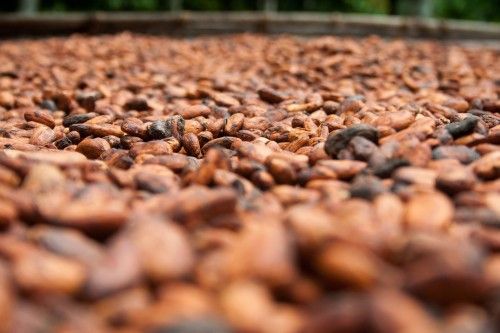
On 26 August 2026, Cameroon’s National Cocoa and Coffee Board displayed cocoa indicators of XAF 3,201/kg CIF and XAF 3,123/kg FOB, together with an exporter buying range in Douala of XAF 2,650–2,750/kg. These are published NCCB/ONCC indicators, not guaranteed prices for every origin, quality grade or commercial agreement.1
For a grinder, these values call for disciplined procurement. Bean costs flow into the production cost of cocoa liquor and subsequently into the butter, powder and cake obtained through pressing. Purchasing decisions should therefore extend beyond the headline price per kilogram. Lot characteristics, delivery terms, supply consistency and the specifications required by derivative buyers all need to be considered.
How international signals affect processing
International media headlines continue to highlight the measures used by chocolate manufacturers to manage cocoa price fluctuations. For bean processors, this is a reason to discuss not only volumes with buyers, but also contract mechanisms, delivery schedules and the specifications applying to cocoa butter, powder and liquor.5
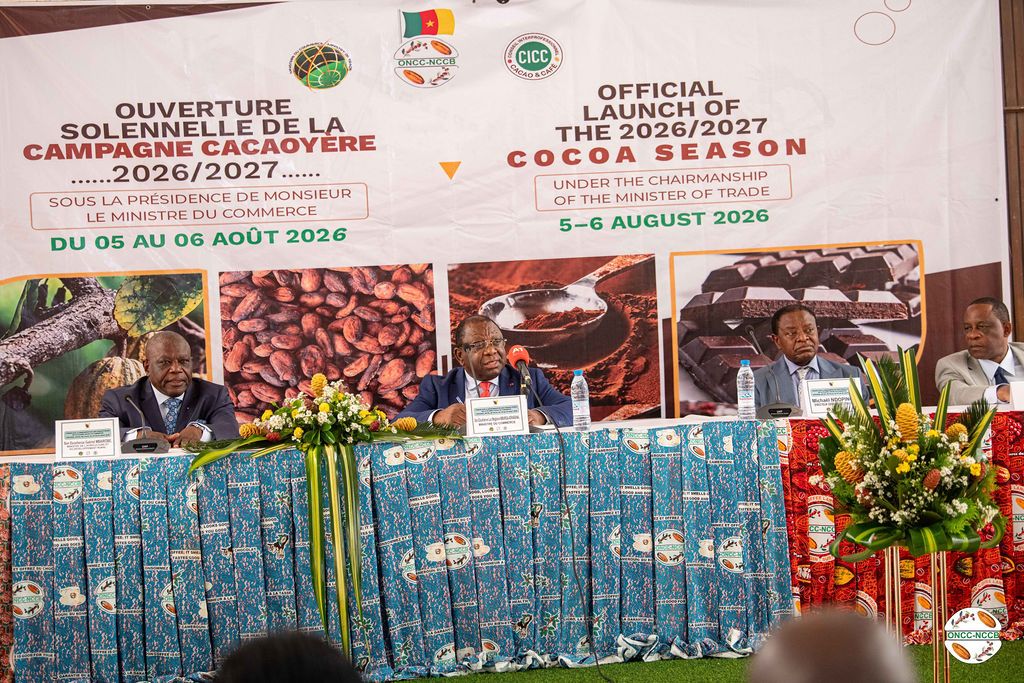
A separate regional signal concerns a potentially delayed crop in Côte d’Ivoire and possible port congestion ahead of European rules, according to a Reuters headline distributed through Google News. The full details and actual market impact require confirmation. The practical lesson for a Cameroon-based processor is nevertheless relevant: monitoring regional crop calendars and logistics capacity can help anticipate possible pressure on transport, storage and bean availability.6
The announced release of a quarterly statistical bulletin by the International Cocoa Organization is another item to monitor. However, the available excerpts do not provide enough information to reproduce a quantified global balance. This update therefore makes no numerical claim about worldwide production, grindings or surplus levels.7
Industrial priorities from beans to derivatives
A grinding operation should manage four connected product streams:
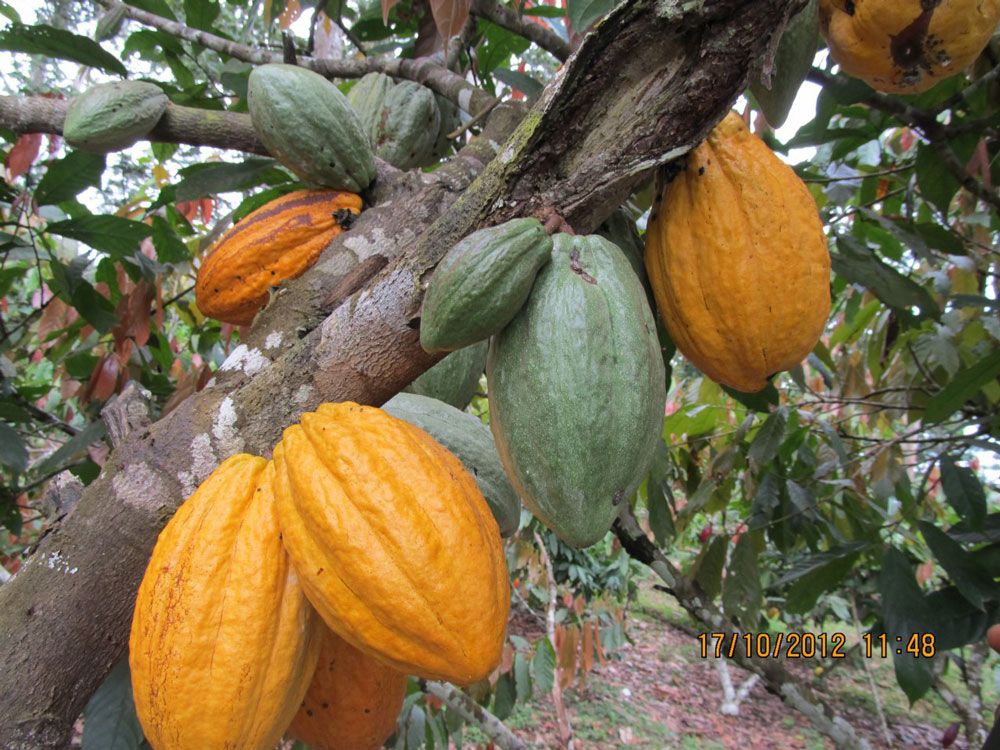
- Cocoa liquor or mass: document bean origins, lot parameters and buyer-specific requirements.
- Cocoa butter: coordinate pressing programmes, packaging and sales to avoid an unbalanced product exposure.
- Cocoa powder: agree commercial and technical specifications with customers before building substantial inventories.
- Cocoa cake: organise its commercial use as an industrial co-product rather than treating it merely as a pressing residue.
The commercial model needs to cover the full material balance. Butter sales cannot be managed separately from the powder or cake produced alongside it. Procurement, production, quality and sales teams therefore need a shared plan for each lot and each intended market.
Documentation readiness for European markets
The European Commission presents the regulation on deforestation-related products as a tool to reduce the land footprint of European consumption and improve information concerning forests and commodity supply chains.8
For a processor, documentation readiness means connecting incoming beans to outgoing lots of liquor, butter, powder and cake. Priorities include collecting origin information, separating or identifying lots, retaining supplier records and being able to provide buyers with a coherent documentation package. These preparations support readiness only; they do not justify describing a batch or a company as EUDR documentary readiness.
Implications for SAMEN INDUSTRY and outstanding confirmations
Verified company information states that SAMEN INDUSTRY is building a plant in Baré-Bakem to manufacture cocoa butter, powder, liquor and cake. The announced grinding line has a capacity of about 4 tonnes per hour, equivalent to approximately 32,000 tonnes of beans per year. The project is positioned within Cameroon’s SND30 and import-substitution policy.
For a plant of this configuration, market priorities include progressively securing bean supply, qualifying suppliers, defining specifications for each derivative and preparing traceability files. Commissioning had been announced before July 2026. As of 27 August 2026, the plant’s effective operating status, initial production volumes, bean supply contracts and derivative offtake agreements still require confirmation. This monitoring update makes no claim regarding certification, selling prices or EUDR compliance.
Gallery
Sources
- 1.ONCC Cameroun (opens in a new window)oncc.cm/home
- 2.businessincameroon.com (opens in a new window)businessincameroon.com/agriculture
- 3.environment.ec.europa.eu (opens in a new window)environment.ec.europa.eu/topics/forests/deforestation_en
- 4.news.google.com (opens in a new window)news.google.com/rss/search?q=cocoa+OR+cacao+price+OR+ICCO&hl…
- 5.Food Dive
- 6.Reuters
- 7.ICCO; source: Comunicaffe International
- 8.European Commission
Related news
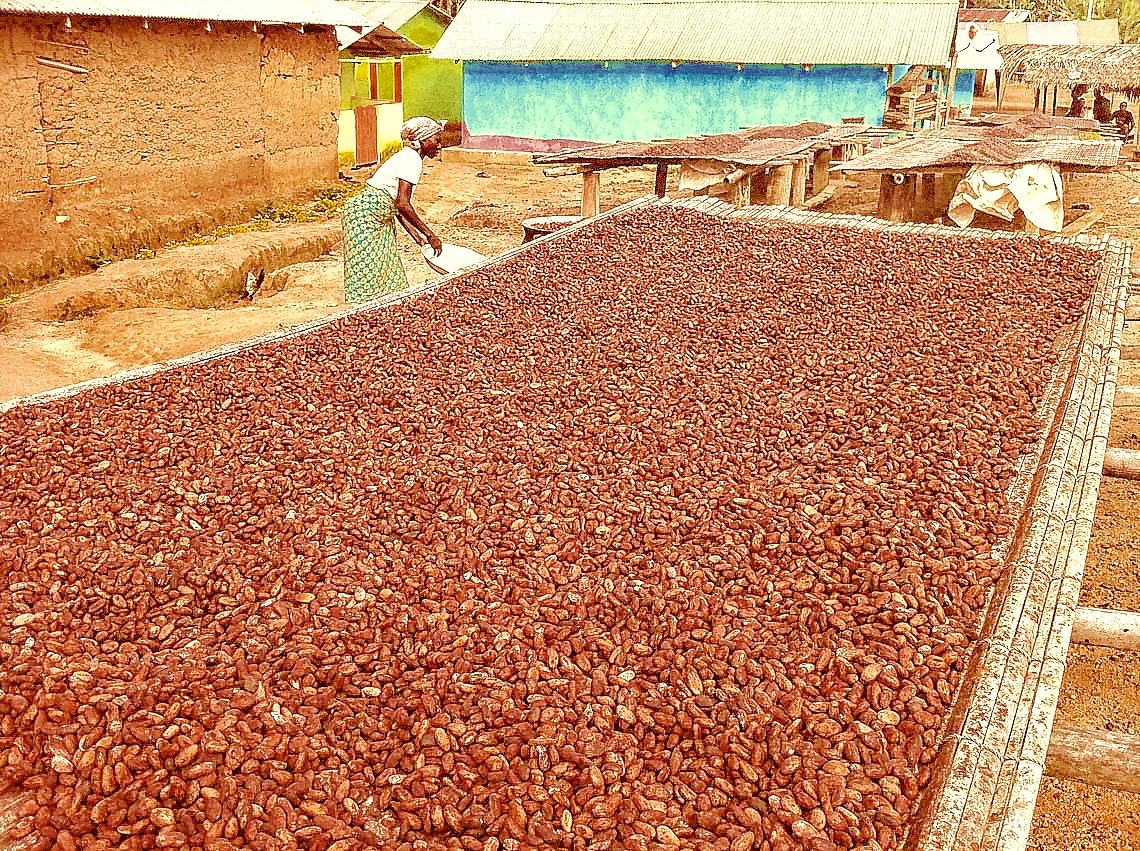
Cocoa processing: bean availability returns to the centre of grinder strategy
Cameroon’s published bean levels keep raw-material costs under pressure. Internationally, harvest delays and recovering grindings call for tighter procurement, inventory and cocoa-derivative planning.
Cocoa processing: bean costs, quality and traceability shape grinding decisions
Cameroon’s current signal is a costly bean. Processors must therefore secure supply, control derivative yields and analytical quality, and build traceable documentation from beans to finished cocoa ingredients.
Cocoa processing: managing grinding amid high bean costs and traceability demands
Cameroon’s bean-price environment calls for close control of butter, powder, liquor and cake yields. International signals also highlight demand, quality and traceability issues that processors should verify.